
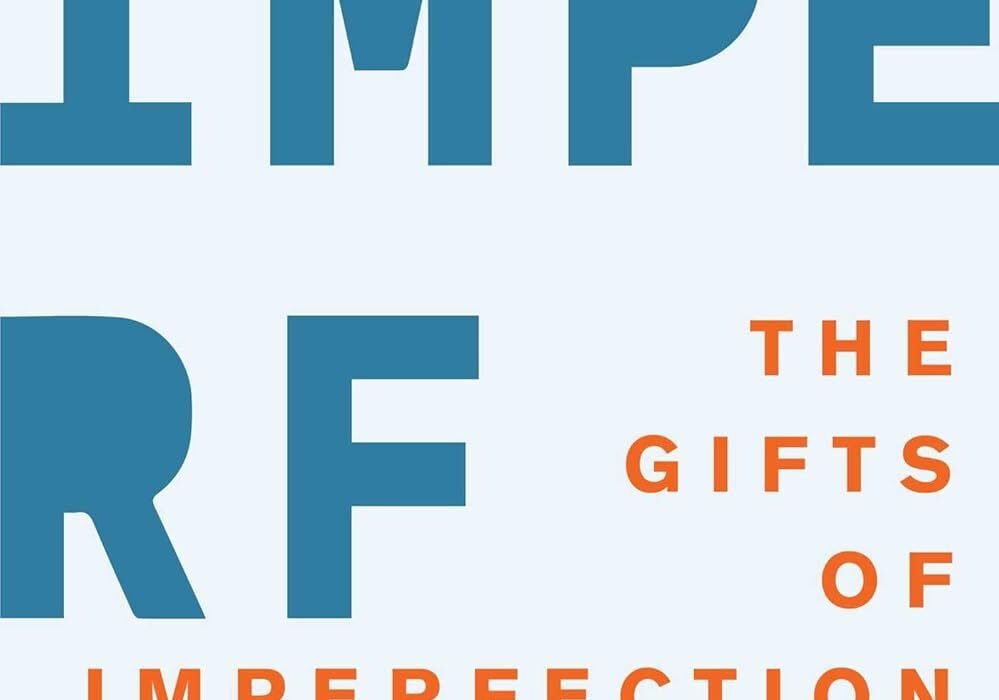
If you have ever lain awake at night replaying a mistake, felt the crushing weight of not being good enough, or scrolled through social media only to feel worse about your own life, then you’ve felt the sting of perfectionism. I know I have. It was in the middle of one of these exhausting cycles that I finally picked up Brené Brown’s The Gifts of Imperfection. Exploring the gifts of imperfection felt like a rebellion. This isn’t just a book review; it’s a look at how its lessons can create real, messy, and beautiful change.
This book is a cornerstone for anyone tired of the endless hustle for worthiness. It doesn’t offer quick fixes or empty platitudes. Instead, it provides a research-backed framework for what Brené Brown calls Wholehearted Living, a way of engaging with the world from a place of worthiness.
In this guide, we’ll break down the core concepts of the book, provide an actionable summary of the 10 guideposts, and answer the most common questions, including the one everyone searches for about The Gifts of Imperfection PDF.
The 10 Guideposts, Decoded for Real Life
The core of The Gifts of Imperfection is its ten guideposts for Wholehearted Living. Think of them not as a to-do list, but as a compass pointing you toward a more authentic life. I find it helpful to group them into two categories: the heavy stuff we need to release and the lighter tools we can cultivate to replace them. This Gifts of Imperfection summary is designed for practical application.
The Heavy Stuff We Carry: What to Let Go Of
These guideposts focus on releasing the mindsets and behaviors that keep us stuck in cycles of shame and self-criticism.
- Guidepost #1: Letting Go of What People Think. This is about moving from approval-seeking to authenticity. It’s the courage to be yourself, even if others don’t get it.
- Try This: The next time you post something you genuinely like online, resist the urge to check for likes or comments for the first hour. Notice the feeling and remind yourself that your expression has value on its own.
- Guidepost #2: Letting Go of Perfectionism. Brown defines perfectionism as a 20-ton shield we carry, thinking it will protect us, when in reality, it’s the thing that’s really preventing us from being seen.
- Try This: The next time you send an email you think has a tiny error, resist the urge to send a follow-up Oops! correction. Sit with the discomfort for 60 seconds. See that the world didn’t end.
- Guidepost #3: Letting Go of Numbing and Powerlessness. We numb with food, alcohol, shopping, and endless scrolling. This guidepost invites us to cultivate resilience by feeling our emotions instead of avoiding them.
- Try This: Instead of reaching for your phone when you feel bored or anxious, set a timer for three minutes and just sit. Notice what feelings come up without judgment.
- Guidepost #4: Letting Go of Scarcity and Fear of the Dark. This is about challenging the never enough culture. It’s about practicing gratitude and recognizing sufficiency in our lives.
- Try This: Before you go to sleep, write down one thing from your day that was enough. It could be enough time, enough connection, or enough joy.
- Guidepost #5: Letting Go of the Need for Certainty. Life is uncertain. This guidepost encourages us to embrace mystery and trust our faith and intuition, even when we can’t see the full path ahead.
- Try This: Make a small decision based on your gut feeling without over-analyzing the pros and cons. It could be as simple as choosing what to eat for dinner.
The Tools for a Lighter Life: What to Cultivate
These guideposts are about actively building the practices that foster joy, resilience, and connection.
- Guidepost #6: Cultivating Creativity. Creativity isn’t just for artists; it’s the act of making things that weren’t there before. This guidepost is about letting go of comparison and sharing our unique contributions.
- Try This: Spend 15 minutes this week doing something creative just for fun, with no goal of it being good. Doodle, write a silly poem, or rearrange a bookshelf.
- Guidepost #7: Cultivating Play and Rest. In our productivity-obsessed world, play and rest are acts of rebellion. They are essential for our well-being and are not luxuries to be earned.
- Try This: Schedule 30 minutes of unproductive time into your calendar this week. No chores, no errands, no self-improvement. Just do something that feels like play.
- Guidepost #8: Cultivating Calm and Stillness. This is about creating space in our lives to breathe and quiet the noise. It’s about letting go of anxiety as a lifestyle.
- Try This: Practice a one-minute breathing exercise. Inhale for four counts, hold for four, and exhale for six. Do this anytime you feel overwhelmed.
- Guidepost #9: Cultivating Meaningful Work. This guidepost encourages us to let go of self-doubt and the pressure of the supposed to. It’s about embracing our gifts and talents to do work that feels significant to us.
- Try This: Write down what you think your meaningful work is, even if it feels grandiose or silly. Let yourself dream without the filter of practicality.
- Guidepost #10: Cultivating Laughter, Song, and Dance. This is about letting go of being cool and in control. It’s about embracing the goofy, joyful, and embodied parts of ourselves.
- Try This: Put on your favorite upbeat song and have a 3-minute dance party in your kitchen.
The Gifts of Imperfection 10th-anniversary edition adds even more depth to these guideposts, making it a valuable resource for both new and returning readers.
My Personal Takeaway
For me, the most profound gift of imperfection wasn’t a quote or a theory; it was a practice. It was learning to say I don’t know in a meeting without feeling stupid. It was the permission to cancel plans when I was tired, without labeling myself as lazy or a bad friend. The book didn’t give me a new personality; it gave me a shield against my own worst critic. The 10th-anniversary edition added a new introduction that felt even more relevant, making it the definitive version to get.
An Invitation to a More Wholehearted Life
If you are tired of the exhausting pursuit of perfection, this book is a warm, research-backed invitation to come home to yourself. It’s a guide back to the person you were before the world told you that you weren’t enough. The wisdom in these pages isn’t about self-improvement; it’s about self-acceptance.
If this review resonated with you, I highly recommend getting your own copy of The Gifts of Imperfection by Brené Brown. Whether you buy it, borrow it from a friend, or check it out from the library, the insights within are a true investment in a more wholehearted life.
If you’re ready to start your journey, you can find the book here [Affiliate Link]. As always, thank you for supporting my work; it allows me to keep creating honest guides like this one for you.
Your Top Questions About The Gifts of Imperfection, Answered
This is one of the most common searches. While it’s tempting to look for a The Gifts of Imperfection free PDF online, it’s important to know that these sites often distribute illegal and pirated content. The best (and most ethical) way to support Brené’s research is to purchase the book. Your local library is also a fantastic, free, and legal resource where you can often borrow The Gifts of Imperfection digitally or in physical form.
The original book lays the philosophical and research-based foundation. The Workbook for The Gifts of Imperfection is the hands-on companion. It’s filled with exercises, journal prompts, and checklists designed to help you apply the concepts. If you’re a person who learns by doing, the workbook is an incredible investment.
This book is the foundational text for her concept of Wholehearted Living. Daring Greatly builds on it by exploring vulnerability in leadership and innovation, while Rising Strong tackles what to do after you fall. If you’re new to her work, The Gifts of Imperfection is the perfect place to start.