
Feeling unmotivated, mentally drained, or stuck in the same daily routine? Exploring hobbies that boost dopamine may help you find enjoyable ways to support motivation, focus, and everyday well-being.
Dopamine is a neurotransmitter involved in motivation, learning, movement, and reward. Although it’s often called the “feel-good chemical,” its role in the brain is more complex than simply creating happiness.
Activities that involve movement, creativity, learning, and social connection can provide enjoyment, stimulation, and a sense of accomplishment. You don’t need expensive equipment or hours of free time to get started.
In this guide, we’ll explore 10 hobbies that may support motivation and enjoyment, explain why these activities can feel rewarding, and share practical ways to choose a hobby that fits your lifestyle. You’ll also find ADHD-friendly ideas and realistic tips for making hobbies part of your routine.
The goal isn’t to chase dopamine spikes. It’s to find meaningful activities that make everyday life more enjoyable.
Why Dopamine Matters and How Hobbies May Help
Dopamine is a chemical messenger that helps the brain regulate motivation, learning, movement, and responses to rewards.
According to “Harvard Health Publishing” dopamine is involved in the brain’s reward system, as well as attention and learning.
However, feeling tired, distracted, or unmotivated doesn’t automatically mean your dopamine levels are low. Mood and motivation are influenced by many factors, including sleep, stress, physical health, and mental well-being.
So how do hobbies fit into the picture?
- Enjoyable movement: Dancing, walking, and other physical activities can improve mood and energy.
- Small achievements: Completing a painting, learning a chord, or growing a plant can create a satisfying sense of progress.
- Creative engagement: Making something with your hands can offer an enjoyable break from everyday responsibilities.
- Social connection: Group activities and volunteering can provide belonging, encouragement, and shared experiences.
- Novelty and learning: Trying unfamiliar activities can make routines more interesting and encourage continued engagement.
These benefits don’t mean every hobby produces a measurable dopamine increase. Instead, hobbies offer practical ways to engage with activities that involve the brain’s motivation and reward systems.
The best hobby is often one you genuinely enjoy and can return to without feeling pressured.
How These Hobbies Were Selected
The hobbies in this guide were chosen for their combination of enjoyment, accessibility, creativity, physical activity, learning opportunities, and social connection.
Rather than ranking activities by unverified dopamine measurements, the focus is on practical benefits and how easily each hobby can fit into everyday life.
Some activities, such as dancing or walking, may help you feel more energized in the moment. Others, such as gardening, painting, or learning an instrument, offer opportunities to develop skills and enjoy gradual progress.
Individual experiences will vary. Think of these ideas as activities to explore, rather than scientifically ranked methods for increasing dopamine.
The 10 Hobbies That Boost Dopamine & Happiness
Dancing to Your Favorite Playlist
Movement combined with music creates an instant dopamine boost that’s hard to beat. I started with just 10-minute living room dance sessions to songs from the 80s and 90s, and the energy shift was immediate.
Dancing activates multiple brain regions simultaneously — motor control, rhythm processing, and emotional centers all light up. The beauty is you don’t need skill or equipment, just music that makes you want to move.
This ranks among the highest dopamine activities because it combines physical exercise, musical pleasure, and often sentimental memories. One woman I spoke with described her evening dance sessions as better than coffee for recharging after demanding workdays.
Gardening or Growing Indoor Plants
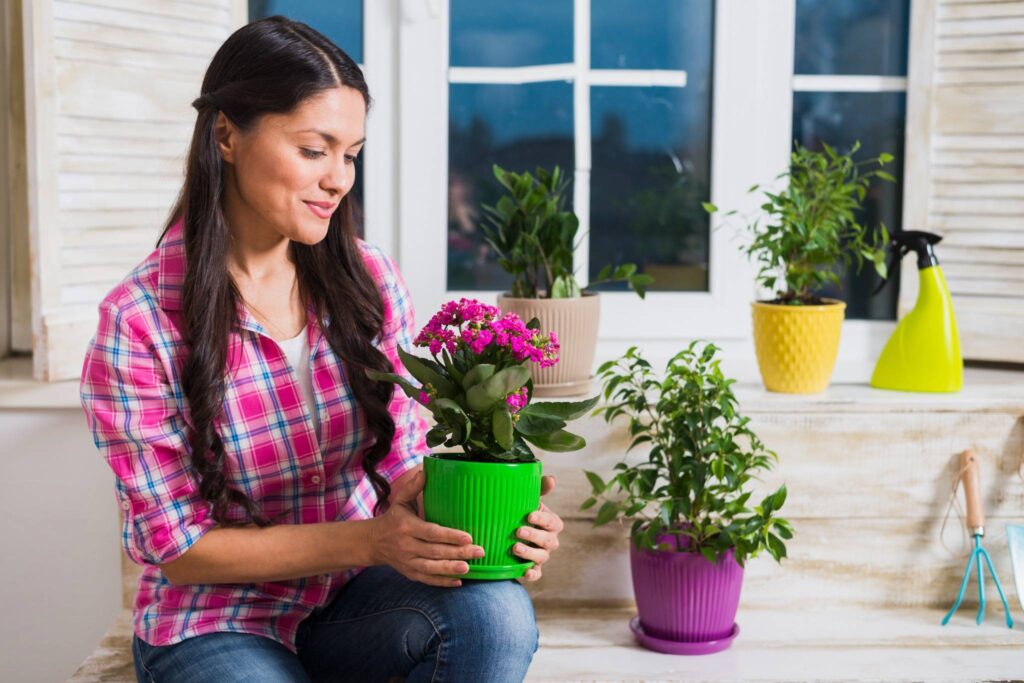
Gardening surprised me with its profound impact on both dopamine and mood stability. There is something deeply satisfying about nurturing growth and seeing tangible progress over time.
The act of planting, watering, and caring for plants engages our reward systems through small, consistent achievements. Watching a seed become a plant triggers the same satisfaction pathways as completing any meaningful project.
Indoor plants work wonderfully if outdoor space is limited. I started with herbs on my kitchen windowsill and found that even this small connection to growing things shifted my daily mood. This hobby also boosts serotonin through its calming, meditative qualities.
Cooking a New Recipe with Dopamine-Boosting Foods
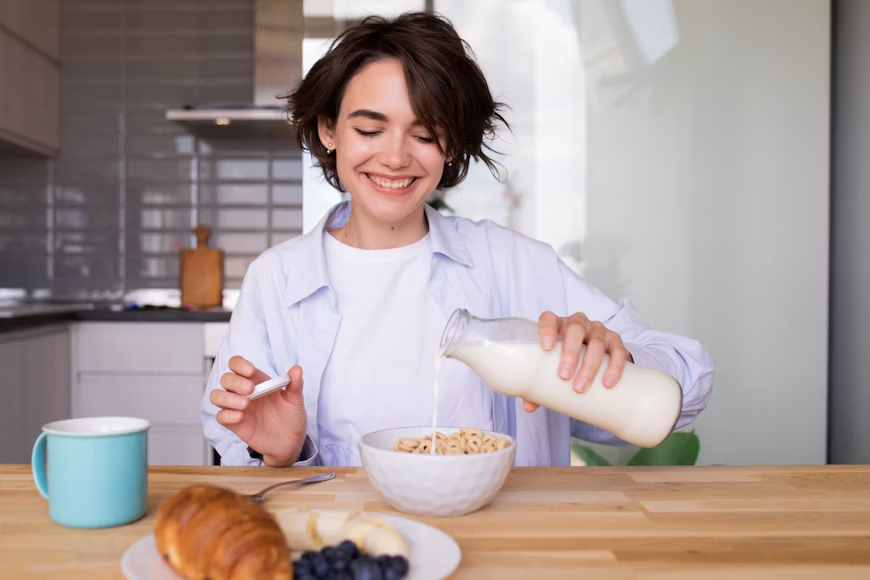
Cooking combines creativity, sensory engagement, and the reward of a delicious outcome. But you can amplify the benefits by incorporating foods that naturally support dopamine production.
Which foods increase dopamine the most? Lean proteins like chicken and fish, bananas, almonds, and dark chocolate all contain precursors to dopamine. I experimented with recipes featuring these ingredients, like a dark chocolate and berry smoothie bowl, and noticed enhanced mood benefits.
What foods increase dopamine and serotonin together? Turkey provides tryptophan for serotonin production, while eggs contain tyrosine, a dopamine precursor. Creating meals that support both neurotransmitters became a fun weekly challenge.
Learning a New Instrument
Musical training stimulates multiple brain areas simultaneously, creating robust dopamine pathways. I picked up ukulele as a complete beginner and found the learning process surprisingly addictive in the best way.
The key is choosing an instrument that feels approachable. Ukulele, keyboard, or even simple percussion instruments work well for beginners. Each small breakthrough, learning a new chord, playing a simple song, triggers reward circuits.
This hobby provides long-term dopamine benefits as skills compound over time. The combination of mental challenge, motor skill development, and musical reward makes it one of the most effective hobbies that stimulates the brain.
Hiking or Nature Walks

Combining exercise, fresh air, and novelty creates a powerful dopamine cocktail. I started exploring new trails monthly, and the anticipation alone began boosting my mood.
Nature exposure reduces cortisol, while physical activity increases dopamine production and receptor sensitivity. The novelty of new environments adds an extra layer of reward system activation.
Even urban walks can be effective if you vary the route. The key is stepping outside routine patterns and engaging with your environment actively rather than walking on autopilot.
Painting or Creative Art Projects
Creative expression activates reward centers in unique ways. I am not naturally artistic, but I discovered that the process mattered more than the outcome.
Art therapy research shows that creative activities boost dopamine while also providing emotional regulation benefits. The flow state that often emerges during artistic work creates sustained pleasure and focus.
Watercolors, sketching, or even adult coloring books can trigger these benefits. The key is approaching art as play rather than performance, allowing the creative process itself to be rewarding.
Volunteering or Acts of Kindness
Helping others creates a double dopamine hit: the reward of contributing plus social connection benefits. I started volunteering at a local animal shelter one Saturday morning per month.
Giving activates the same brain regions as receiving rewards, but with additional oxytocin release from social bonding. This combination creates what researchers call a helper’s high that can last for hours.
Small acts work too. Bringing coffee to a coworker or helping a neighbor with groceries can trigger these same reward pathways without formal volunteer commitments.
Learning a New Language
Language learning provides constant small victories that fuel dopamine systems. I used a language app for Spanish practice and found the daily progress tracking surprisingly motivating.
Each new word learned, pronunciation mastered, or conversation completed triggers reward circuits. The cognitive challenge, combined with cultural exploration, engages multiple motivation pathways.
Modern language apps gamify the learning process, which amplifies dopamine release through points, streaks, and achievement badges. This makes language learning one of the most accessible hobbies that stimulates the brain.
Photography or Nature Photography
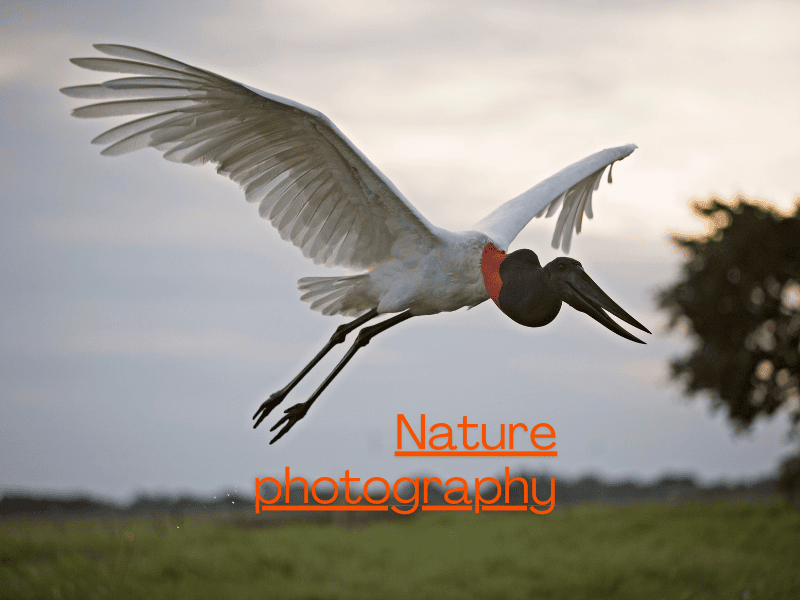
Photography combines exploration, creativity, and mindfulness in a single activity. I started taking weekend photo walks in different neighborhoods and found the purposeful observation deeply rewarding.
The hunt for interesting shots activates seeking behaviors that naturally boost dopamine. Capturing a great image provides immediate reward, while building a portfolio creates long-term satisfaction.
Nature photography adds the additional benefits of outdoor time and connection with natural beauty. The meditative focus required for good photography also supports present-moment awareness.
Joining a Fun Social Class
Social learning environments provide multiple dopamine triggers: novelty, skill development, and human connection. I tried a community cooking class and found the combination surprisingly energizing.
Dance classes, art workshops, language conversation groups, or cooking classes all work well. The social aspect amplifies individual learning rewards through shared experiences and encouragement.
These dopamine-boosting activities work especially well for people who struggle with motivation in solo pursuits. The social accountability and shared joy create sustained engagement.
Quick Reference Guide
| Hobby | Why It Boosts Dopamine | Best For |
| Dancing | Movement + music combo | Quick energy, ADHD brains |
| Gardening | Growth and nurturing | Long-term satisfaction, stress relief |
| Cooking | Creativity + tangible results | Daily routine integration |
| Music | Cognitive challenge + artistry | Patient learners, long-term growth |
| Hiking | Exercise + nature + novelty | Active types, adventure seekers |
| Art | Creative flow states | Introverts, emotional processing |
| Volunteering | Helping others + connection | Social types, meaning-seekers |
| Languages | Progressive achievement | Goal-oriented, travel lovers |
| Photography | Exploration + creativity | Observers, solo adventurers |
| Social classes | Community + learning | Extroverts, accountability-needers |
Natural Strategies to Boost Dopamine Beyond Hobbies
Healthy Habits That Complement Your Hobbies
Hobbies can be part of a balanced lifestyle, but they work best alongside everyday habits that support physical and mental well-being.
Make room for regular movement. Walking, dancing, stretching, or other enjoyable activities can support energy and mood. Choose movement that suits your abilities and preferences.
Eat balanced meals. Foods containing protein provide amino acids the body uses to make neurotransmitters, including dopamine. However, eating a particular food does not guarantee an immediate increase in brain dopamine or happiness.
Protect your sleep. Getting adequate, consistent sleep can support attention, emotional regulation, and overall well-being.
Choose a realistic schedule. A short hobby session is easier to maintain when it fits naturally into your day. Start with 10–15 minutes if that feels manageable.
Make enjoyment the priority. Hobbies don’t need to become another productivity goal. Experiment with different activities and notice which ones leave you feeling refreshed, connected, or satisfied.
These strategies support general well-being rather than serving as treatments for low dopamine or ADHD.
How to Choose Your Dopamine-Boosting Hobby
Consider your current energy levels, available time, and natural preferences:
Need quick mood lifts? Try dancing, photography walks, or cooking simple recipes with dopamine-rich ingredients.
Want social rewards? Join classes, volunteer, or take up hobbies that naturally involve others.
Prefer calm but engaging activities? Gardening, art, or music practice provides gentle but consistent dopamine benefits.
Looking for a real challenge? Language learning or music offers progressive skill development that builds long-term reward pathways.
ADHD-friendly options: Dancing, hiking, and social classes work particularly well for brains that need movement and variety.
Start with one hobby that genuinely interests you rather than what seems most beneficial on paper. Authentic interest provides the initial motivation needed to build sustainable dopamine-supporting habits.
ADHD-Friendly Hobbies for Low-Motivation Days
Starting a hobby can sometimes feel harder than enjoying it, particularly when you’re dealing with distractions, low energy, or difficulty initiating tasks.
If you have ADHD, consider choosing activities based on the barriers you experience rather than assuming one hobby will work for everyone.
If getting started feels overwhelming: Try a five-minute sketch, water a few plants, or dance to one favorite song.
If you crave variety: Experiment with photography challenges, new walking routes, or simple creative projects.
If you lose interest in long projects: Choose activities with visible milestones, such as finishing a small painting or learning a short musical phrase.
If you benefit from external structure: Try a scheduled class, a hobby group, or a creative session with a friend.
If you’re mentally exhausted: Choose a low-pressure activity, such as gentle gardening, coloring, or a relaxing nature walk.
ADHD affects people differently. Hobbies may offer enjoyment, structure, and opportunities for engagement, but they are not a replacement for evidence-based ADHD care.
Important Considerations
While these hobbies that boost dopamine can significantly impact mood and motivation, they are not clinical treatments for depression or other mental health conditions. If low mood persists despite lifestyle changes, professional support is important.
Some high-dopamine activities can become problematic if they replace essential responsibilities or become compulsive. The goal is enhancement, not escape from daily life.
Individual responses vary significantly. What works powerfully for one person might feel neutral to another. Experimentation and honest self-assessment are key to finding your optimal activities.
Your Dopamine-Boosting Journey Starts Now
These hobbies that boost dopamine have genuinely transformed how I approach daily life. My energy feels more stable, focus comes more easily, and I have reliable ways to lift my mood when needed.
The most powerful discovery was how small, consistent actions compound over time. Twenty minutes of dancing or an hour in the garden might seem insignificant, but these moments accumulate into noticeable shifts in overall well-being.
Ready to find your own dopamine-boosting hobby? Start with whichever one sparked the most excitement while reading. Explore more creative hobby ideas made for women at femmehobbies.com.
Frequently Asked Questions
The most effective hobbies combine multiple dopamine triggers: physical movement (dancing, hiking), creativity (art, cooking), skill progression (music, languages), and social connection (classes, volunteering). Dancing and gardening consistently rank highest for immediate and sustained benefits.
Some activities provide almost immediate effects. Dancing to favorite music can boost mood within minutes, while completing a small creative project provides satisfaction within an hour. Long-term activities like learning instruments build dopamine sensitivity over weeks and months.
ADHD brains often respond well to hobbies with movement (dancing, hiking), novelty (photography, new recipes), and clear progress markers (language apps, skill-building). Combining activities works particularly well, like learning songs on an instrument or taking nature photography walks.
Yes, activities that provide intense dopamine spikes without effort (like gaming or social media) can reduce sensitivity to more balanced rewards. Focus on hobbies that require some engagement and skill development rather than passive consumption.