
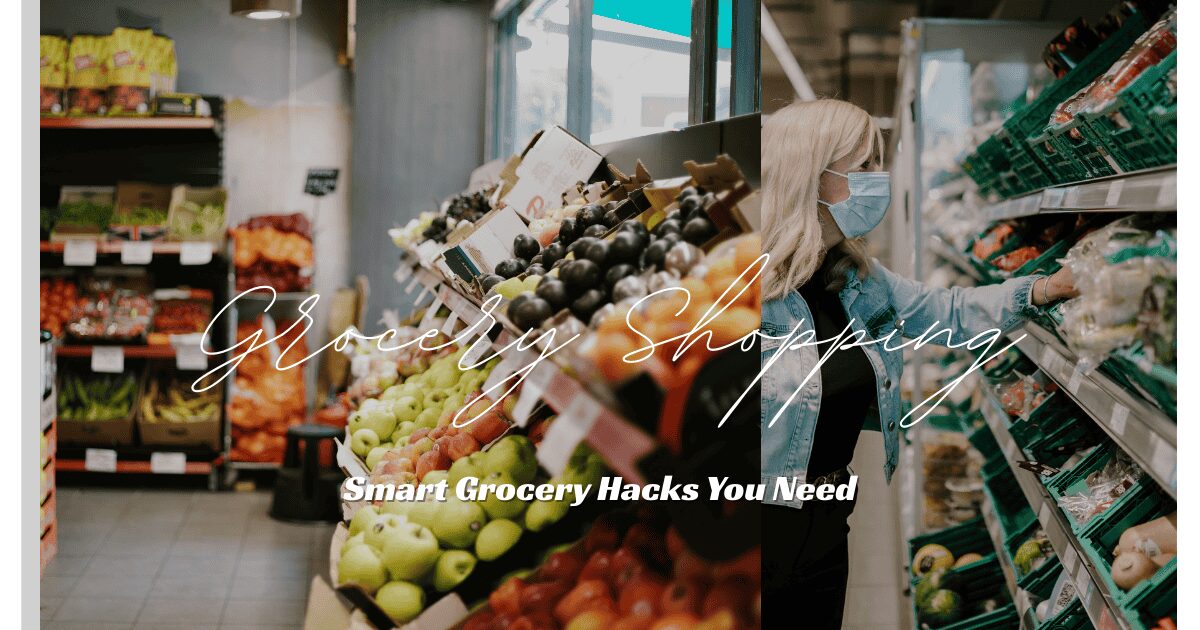
Feeling defeated by your grocery bill? Learning how to save money at the grocery store isn’t about willpower; it’s about strategy. We’re moving beyond random tips to a proven three-phase system that targets waste and impulse buys at the source.
While prices rise, with some reports indicating a staggering 31% increase in recent years, research shows up to 15% of grocery spending is on unplanned impulse buys. That is a fixable leak in your budget. Rather than just tightening your belt until it hurts, it’s time to get smarter. Our four-year analysis of budgeting and consumer behavior has led us to this battlefield-tested framework designed to protect your wallet against inflation.
Master the Pre-Shop: Your Blueprint for Savings
The battle for your budget is won or lost before you even set foot in the automatic doors. Think of the pre-shop phase as your command center. If you enter the store without intel and a plan, the store’s marketing psychology will win every time.
The Psychological Audit
Before you start your next list, dig out your last two or three receipts. This isn’t about guilt; it’s about data. Go line by line and circle every item that wasn’t on your original list.
You will likely find a pattern. Maybe it’s the artisanal cheese near the deli or the limited edition snacks at the checkout. Stores are designed as treasure hunts to capture your attention and dollars. By identifying your personal weaknesses, you can build defenses against them. If you know you always cave at the bakery, you can plan a route that avoids that corner entirely.
Meal Planning as Intel Gathering
Most people write a meal plan based on what they want to eat. A strategic shopper writes a meal plan based on what is on sale.
Your primary source of intelligence is the store’s weekly digital ad. Before you decide on Taco Tuesday, check if ground beef or tortillas are discounted. If chicken thighs are 40% off, that becomes the anchor for your week’s menu. This reverse-engineering approach is the single most effective way to lower your bill. If you are specifically looking for how to save money on groceries at Walmart or Kroger, their apps put these weekly flyers right in your pocket.
Toolkit for Success: The Best Apps
Technology is your ally in this fight. You need a digital infrastructure to keep your strategy on track. Here are a few top contenders for the best ways to save money on groceries:
- EveryDollar: Perfect for beginners using zero-based budgeting. It helps you set a hard limit for groceries before you spend a dime.
- YNAB (You Need A Budget): Ideal for the pros. It forces you to actively move money from other categories if you overspend on food, making the pain of overspending real immediately.
- Grocery IQ: excellent for integrating your shopping list with coupons, ensuring you never miss a deal at the register.
In the Aisles: Execute Your Plan and Counter Their Moves
Once you are in the store, you are on their turf. Every endcap, shelf placement, and smell is engineered to make you spend more. This is the tactical phase where you execute your plan and counter their moves.
Decode Store Layouts
Have you ever noticed that milk, eggs, and meat are almost always at the back of the store? This forces you to walk past thousands of other products to get to the essentials. High-margin items are placed at eye level, while cheaper options are hidden on the top or bottom shelves.
The Tactical Counter: Shop the perimeter first. Fill your cart with the fresh essentials you need. Only dive into the center aisles for specific list items, then get out. Do not wander the aisles just to look.
The Weak Substitute Trap
Retail psychology is fascinating and dangerous. Research indicates that a sale on a popular item (like hot dogs) significantly boosts sales of nearby, non-sale complementary items (like premium sausages or gourmet buns). You see the deal, feel good about saving, and then splurge on the item right next to it.
The Tactical Counter: Scan the entire shelf vertically, not just the promoted eye-level zone or the immediate vicinity of a sale tag. Often, the best value is sitting quietly on the bottom shelf, unadvertised.
Strategic Swaps with Data
Brand loyalty is expensive. One of the easiest shopping hacks to save money is embracing private labels. But this isn’t just about buying generic; it’s about math.
Data suggests that store brands like Kroger’s Private Selection or Target’s Good & Gather can be up to 20% cheaper than national brands while offering equal or greater quality. In many cases, they are manufactured in the same facilities.
The Superstar Swaps:
- Dairy: Milk and eggs are highly regulated; the store brand is virtually identical to the name brand.
- Pantry Staples: Flour, sugar, and spices are single-ingredient items. Paying for a logo here is purely a donation to a corporation’s marketing department.
- Coffee: Premium private-label coffees (like Kroger’s Private Selection) often beat mid-tier national brands in blind taste tests for a fraction of the cost.
Loyalty Programs Decoded
If you aren’t using a loyalty program, you are voluntarily paying a lazy tax. However, not all programs are created equal.
Free programs like Kroger Plus or Target Circle are non-negotiable. They offer digital coupons and instant discounts that you cannot get otherwise. If you are wondering how to save money on groceries with coupons without clipping paper, these apps are the answer.
On the other hand, subscription models like Walmart+ require a different calculation. If you are looking for how to save money on groceries for one person, the delivery fees might outweigh the benefits unless you order frequently. Analyze your shopping frequency before committing to a monthly fee.
The Home Front: Make Every Purchase Last Longer
The battle isn’t over when you leave the parking lot. The logistics phase is about extending your supplies. Throwing away food is the same as shredding cash.
The Bulk-Buy Calculator
Buying in bulk is a classic grocery store hack, but it backfires if the food spoils. Use this simple mental formula:
(Unit Price) x (Weekly Use) x (Shelf Life in Weeks)
If you can’t consume the bulk pack of strawberries before they mold, the lower unit price doesn’t matter. Bulk buying is best reserved for non-perishables (rice, pasta, canned goods) or items you can freeze immediately.
Preservation Protocols
Spoilage is the silent budget killer. Most people store produce incorrectly, accelerating rot.
- Herbs: Treat them like flowers. Store asparagus and cilantro in a jar with an inch of water in the fridge.
- Greens: Place a dry paper towel inside the bag of salad greens or spinach. It absorbs excess moisture and can double the lifespan of the leaves.
- Berries: Wash them in a vinegar-water solution (1:3 ratio) and dry thoroughly to kill mold spores before storing.
The Leftover Reset Meal
By Thursday or Friday, your fridge likely has random odds and ends. Instead of ordering takeout, plan a Reset Meal.
The Formula: Grain + Roasted Veg + Protein + Sauce.
Take that half-onion, the single bell pepper, and the leftover chicken, roast them, and throw them over rice. This ensures nothing goes to waste and saves you the cost of an entire dinner.
Advanced Playbook & Next Steps
Saving money on groceries isn’t about one magic trick; it’s about a system. By mastering the Pre-Shop (Command), the Store Visit (Tactical), and Home Storage (Logistical), you turn a chore into a strategic operation.
Here is a quick guide for specific needs:
- For Walmart/Target/Kroger shoppers: Download the store’s specific app immediately. The scan-and-go features help you track your total in real-time, so there are no surprises at the register.
- For Couponers: Focus on digital coupons via apps like Grocery IQ or the store’s own platform. Traditional paper coupons are increasingly limited to processed, unhealthy foods.
- For Reddit-style hacks: If you search save money on groceries reddit, the most endorsed tip is simple but brutal: use a price-per-unit calculator and keep a strict home inventory so you never buy what you already have.
Start with Phase 1 this week. Audit your last receipt, plan your meals entirely from the sales flyer, and download a budgeting app. You have the strategy; now it’s time to execute.
FAQs
Planning your meals 100% from the store’s weekly sales flyer. It forces you to build your diet around discounts, not cravings.
The “bulk-buy calculator” is critical. Focus on freezing perishables and mastering “leftover reset” meals to avoid waste.
Absolutely. Free programs like Kroger Plus or Target Circle offer digital coupons you can’t get otherwise. It’s a mandatory first step.