

Chocolate copper hair color in 2026 is about technical artistry, not just a photo filter. It represents a sophisticated shift away from flat, one-dimensional reds toward rich, multi-tonal hues that demand precision. If you are ready to move past generic inspiration pictures and understand the formulas, techniques, and maintenance required for a truly stunning result, this guide is for you.
You have likely scrolled past hundreds of gorgeous pictures, wondering why your hair never quite looks like that after an appointment. The disconnect often lies in communication. Copper can mean anything from a penny-bright orange to a deep, burnished mahogany. Without the right vocabulary or understanding of your own undertones, achieving that specific, glossy look is difficult.
This article bridges the gap between inspiration and execution. We are looking at the specific color theory, professional techniques, and maintenance routines that stylists use to create these viral looks. Whether you are bringing this guide to a salon consultation or just want to understand the science behind the shade, here is everything you need to know about the defining hair color of 2026.
The Chocolate Copper Spectrum: Defining Your Perfect Shade

Chocolate copper is an umbrella term, not a single tube of dye. It relies on a delicate balance between a brunette base (the chocolate) and warm, reddish-gold reflects (the copper). Understanding where you want to sit on this spectrum is the first step to getting the color you want.
Key variations of the trend
True Chocolate Copper
This is the most balanced interpretation. It features a medium-brown base with equal parts gold and red tones. It’s rich, warm, and looks natural in low light, but glows vibrant copper when the sun hits it.
Cowboy Copper
A massive trend continuing into 2025, this leans more toward a rugged, leather-like hue. It is earthier and more muted than a bright orange copper, blending deeper brown tones with a matte finish.
Cherry Velvet
For a luxurious, high-end variation, look to cherry velvet. This shade pushes the copper boundary toward red-violet. It is deeper and cooler than a standard copper, offering a sultry, expensive feel that works beautifully on darker natural bases.
Golden Spicy Copper
If you prefer warmth over redness, this is your lane. It minimizes the red pigment and maximizes the gold and orange tones. Think of it as a brunette base with a heavy dose of cinnamon and turmeric.
How do I match the shade to my skin tone?
The Skin Tone Decoder is the secret weapon of top colorists. While you can wear whatever color makes you happy, certain tones will naturally enhance your complexion.
- Warm Skin Tones: If you have golden, olive, or peachy undertones, opt for Golden Spicy Coppers. The yellow-orange notes in the hair will harmonize with the warmth in your skin, creating a glow rather than a clash.
- Cool Skin Tones: If you have pink or blue undertones, you need contrast. Red-Toned Coppers or Cherry Velvet shades work best here. The slight coolness in a cherry red or the vibrancy of a true red copper prevents your skin from looking washed out.
- Neutral Skin Tones: You have the most versatility. True Chocolate Copper works beautifully, as does almost any variation on the spectrum. You can choose based on how much maintenance you are willing to commit to rather than skin compatibility.
The Formula & Technique Deep Dive: Speaking to Your Stylist
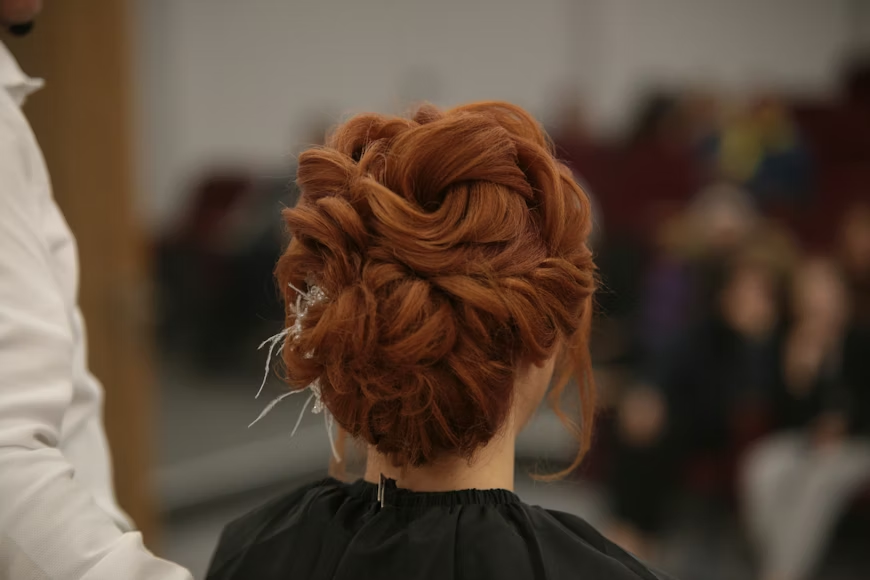
Walking into a salon and saying I want copper hair is a gamble. Walking in with knowledge of professional terminology changes the conversation entirely. This section demystifies the science your stylist uses.
Demystifying the color number
Professional hair color, such as Wella Koleston Perfect, L’Oréal Professionnel, or Schwarzkopf Igora, uses a numbering system to denote depth and tone.
- The First Number (Depth): This tells you how light or dark the color is. A 5 is light brown, while a 7 is medium blonde. Chocolate copper usually sits between a level 5 and 7.
- The Following Numbers (Tone): These represent the reflection. For example, in many systems, .4 represents copper and .3 represents gold.
Sample Formula Concept:
To achieve a dimensional chocolate copper balayage, a stylist might mix a 7/43 (Medium Blonde/Copper Gold) with a splash of 6/7 (Dark Blonde/Brown) to anchor the color. This creates a custom hue that isn’t available in a box. The brown anchors the color so it doesn’t fade immediately, while the copper gold provides the pop.
Technique glossary
Knowing the method is just as important as knowing the color. Here are the techniques you should discuss during your consultation.
Balayage vs. Ombre
If you want a soft, lived-in look, ask for a Chocolate Copper Balayage. The color is hand-painted onto the surface, leaving some natural root showing. This offers a low-maintenance grow-out. Ombre, by contrast, creates a dramatic, horizontal gradient from dark roots to light copper ends.
Color Melt
This is the secret to a high-end, expensive look. A Color Melt involves applying two or three shades—a deep chocolate at the root, blending into a rich auburn in the middle, and a bright copper at the ends. The result is a seamless dimension without harsh lines.
Money Pieces & Highlights
For those not ready for a full transformation, ask for Copper Money Pieces. These are bright, face-framing sections that illuminate your features without requiring a full head of color.
At-home vs. salon reality check
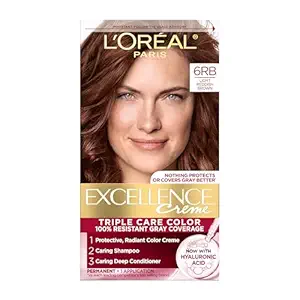
Can you achieve this look with a box dye? Technically, yes. Will it look like the pictures? Likely not. Box dyes are progressive, meaning they stack pigment on top of pigment, often resulting in a muddy, dark look that lacks dimension.
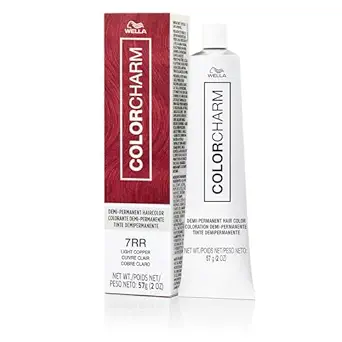
Professional chocolate copper hair color formulas are customized. A stylist can lift your natural hair to the exact right level of orange before depositing the tone, ensuring clarity and vibrancy. They can also use different developers on your roots versus your ends to prevent hot roots (where the roots glow bright orange and the ends remain dark).
The Pro Maintenance Routine: Making It Last
Red and copper pigments have the largest molecule size of any hair color, which ironically makes them slip out of the hair cuticle the fastest. Without a proper routine, your chocolate copper can turn into a dull brown within two weeks.
The color-protecting wash cycle
Water quality is the silent killer of copper hair. Metals in shower water, like copper and iron, can react with the hair dye and cause it to darken or change tone.
To combat this, use a system like Wella’s ULTIMATE SMOOTH line, which often includes Metal Purifier technology. These products encapsulate metals and wash them away, protecting the color molecule. Always opt for sulfate-free, color-safe shampoos to avoid stripping the cuticle.
How do I refresh the color between visits?
You don’t need to dye your hair every four weeks, but you do need to gloss it. This is the secret step most people miss.
- At Home: Use a color-depositing mask like the Wella Color Fresh Mask in Copper Glow. Use this once a week to deposit fresh pigment onto the hair surface.
- In Salon: Book a gloss and tone service halfway between your cut appointments. Services like Redken Shades EQ are acidic demi-permanent colors that seal the cuticle and add immense shine while refreshing the tone, all in about 20 minutes.
Heat & UV protection
Copper tones are particularly prone to oxidation from the sun and heat tools. Oxidation turns vibrant copper into a flat, brassy yellow. Always use a thermal protectant before styling. If you are going to be in the sun, look for hair products containing UV filters or wear a hat. It sounds simple, but UV damage is irreversible on colored hair.
Visual Inspiration Gallery with Technical Notes
When you look for inspiration, look for the details. Here is how to categorize the photos you save.
Subtle & Natural
Look for Light brown chocolate copper hair or Subtle copper ribbons.
Technical Note: These looks are often achieved with a copper color melt technique using demi-permanent color for shine, keeping the lift minimal to preserve hair health.
Bold & Dimensional
Search for Dark chocolate, copper hair color, or Fiery copper brown.
Technical Note: These usually require pre-lightening (bleaching) specific strands to a level 7 or 8 before depositing the copper tone to ensure it pops against the dark base.
Style-Specific
Look for Chocolate copper curls or Chocolate with copper money pieces.
Technical Note: On curly hair, painting individual curls (pintura highlights) ensures the copper sits on the curve of the curl, reflecting the most light.
Your Next Steps
Getting that gorgeous chocolate copper hair color isn’t about luck. It’s a smart combination of three things: choosing the right shade for you, using expert techniques at the salon, and committing to a simple care routine at home.
You now have the knowledge. You understand the color spectrum, how to talk to your stylist about formulas, and the steps to keep your color bright. This puts you in control.
Your next step is simple. Book a consultation with a skilled colorist. Bring the ideas from this guide. Discuss your skin tone and the maintenance you’re ready for. When you and your stylist are on the same page, that’s when the magic happens.
Go get the hair color you’ve been dreaming of. You have got this.