
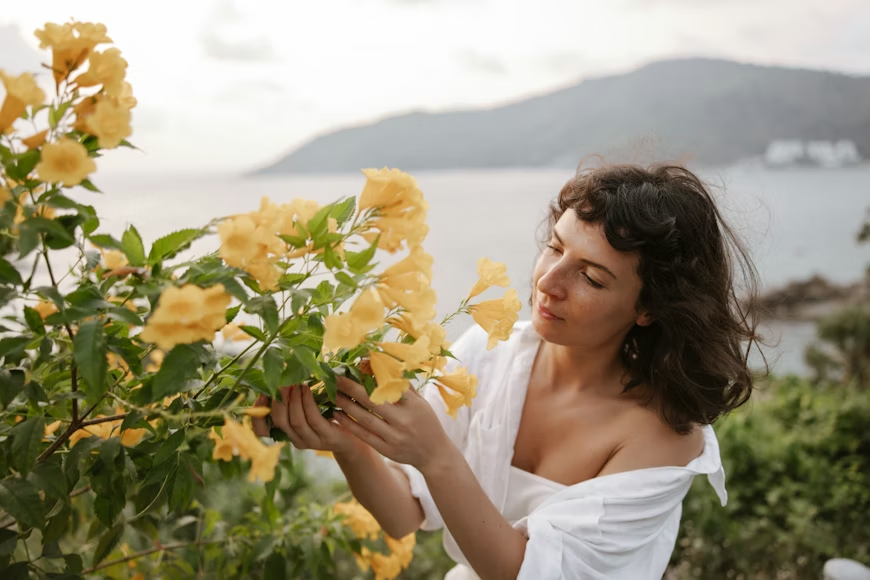
The call to romanticize your life fills social media feeds, often portrayed with aesthetic filters and perfectly curated moments. You see slow mornings with ceramic mugs, sun-drenched reading nooks, and effortlessly chic outfits. But what does it truly mean to romanticize, and how can we engage with this practice in a way that enriches rather than empties our lives?
At its heart, this trend isn’t just about the visuals. It is an invitation to shift your perspective. However, without a deeper understanding, it risks becoming another item on a to-do list. This guide moves beyond a simple list of activities to explore the definition of romanticize, its psychological impacts, and a sustainable framework for applying it as a meaningful mindset, not a performative checklist.
Defining Romanticize: More Than a Hashtag

Before we can adopt a mindset, we must understand the words we are using. The verb romanticize carries weight, and its definition reveals a lot about how we view the world.
Core Meanings and Nuance
The dictionary generally offers two key meanings for the word. First, it means to make something seem better or more appealing than it really is, for example, to romanticize the past by forgetting the hardships. Second, it simply means to behave romantically.
There is a spectrum of synonyms that accompany this concept, such as idealize, glamorize, and glorify. While these words can suggest a departure from reality, they also hint at the human capacity for imagination and hope. Note that if you are reading from across the pond, you might see it spelled as romanticise the British variant, but the core sentiment remains the same.
The Modern Twist
In the context of the current lifestyle trend, the definition has evolved. It is no longer just about rose-colored glasses or ignoring the bad. Instead, it is the conscious act of applying a lens of beauty, intention, and specialness to ordinary life. It is the decision to treat a Tuesday afternoon with the same reverence usually reserved for a Saturday night date.
The Psychology: Why We Crave to Romanticize
Why has this concept taken such a hold on our collective consciousness? In a fast-paced, often digital world, romanticizing acts as a form of mindfulness. It is a way to reclaim presence and find magic in the mundane, offering a mental break from the grind of efficiency.
The Search for Meaning
Psychologically, the urge to romanticize is linked to our desire for meaning. When we view our daily tasks as part of a beautiful narrative—where we are the main character, we feel a greater sense of agency. A dull commute becomes a time for reflection; a solo dinner becomes a ritual of self-care. This shift can boost mood and reduce the feeling that life is just happening to us.
The Double-Edged Sword
However, this mindset requires balance. Critical perspectives warn against the pitfall of idealization. Psychological research suggests that idealizing romantic love—believing, for instance, that you need a partner to be complete can be linked to fear, sadness, and lower life satisfaction. The same risk applies to idealizing a lifestyle.
When the trend devolves into comparison and consumerism, it can leave us feeling not enough. If your morning coffee doesn’t look like an influencer’s, you might feel you are failing at relaxing. This is where the distinction becomes crucial: are you romanticizing to enjoy your life, or are you performing romance for an audience? True satisfaction comes from feeling romanced by the beauty around you, not forcing an aesthetic that doesn’t fit your reality.
A Sustainable Framework: How to Romanticize with Integrity
To make this concept work for you long-term, you need a philosophy, not a shopping list. Here is a sustainable framework built on three pillars of intentional romance.
Pillar 1: Perception Over Purchase
The most significant error people make is thinking they need to buy things to romanticize their lives. You do not need new linen sheets or expensive candles. Shift your focus from acquiring aesthetic items to sharpening your senses.
- Application: Truly taste your morning coffee, noting the heat and the bitterness. Feel the texture of the sun on your skin during a walk. The romance is in the sensory experience, not the price tag.
Pillar 2: Ritual Over Routine
A routine is something you do because you have to; a ritual is something you do with intention. You can transform mundane acts into mindful rituals simply by changing your approach.
- Application: Instead of just driving to work, treat it as your daily audiobook journey. Instead of cleaning the kitchen, put on jazz music and treat it as a reset for your home sanctuary.
Pillar 3: Internal Validation
Anchor your sense of romance in your own enjoyment, not in how it looks on social media. If you are arranging a fruit bowl just to take a picture of it, you are performing. If you are arranging it because the colors make you smile when you walk past, you are romanticizing.
- Application: Ask yourself, Would I still do this if no one else could see it? If the answer is yes, you are on the right track.
Curated Applications by Life Area
- Mornings: Don’t just wake up; rise. Stretch your body before checking your phone. Drink water from your favorite glass.
- Work: Romanticize the focus. Use a pen that writes smoothly. Tidy your desk to honor the work you are doing.
- Solitude: Treat time alone as a luxury, not a lack of plans. Cook a meal for yourself with the same care you would for a guest.
Navigating the Shadows: What Not to Romanticize
While finding beauty is a virtue, discernment is necessary. There are aspects of life and history that should be viewed with clear eyes, not through a soft-focus lens.
The Danger of Glamorizing Struggle
It is vital not to use the romanticized lens on unhealthy or harmful situations. We must not romanticize poverty, mental illness, or toxic relationships. Portraying struggle as poetic or tragically beautiful can prevent us from seeking the help or change we actually need.
Historical and Toxic Patterns
The media often falls into the trap of romanticizing war, harmful hustle culture, or possessive relationships. Being aware of these narratives allows us to reject them. We can appreciate the aesthetic of a bygone era without ignoring the historical injustices of that time. True romanticism acknowledges reality—it doesn’t erase it.
The Lasting Romance with Your Own Life
True romanticism isn’t about constructing a perfect illusion or ignoring the difficult parts of being human. It is about developing a deep, affectionate, and conscious engagement with your own existence—flaws and all.
When we move from performing romance for an audience to feeling romanced by life itself, we find a sustainable source of joy. The magic isn’t in the filter you choose; it’s in the eyes you use to look at the world.
Frequently Asked Questions
Both are correct. Romanticize is the standard spelling in American English, while “romanticise” is the preferred spelling in British English.
Turning a simple lunch into a mindful picnic on your living room floor is a great example. Instead of eating mindlessly while scrolling, you sit down, perhaps open a window, and focus entirely on the flavors and the break in your day.
The opposite would be to disparage, be cynical, or view things in a purely utilitarian or realistic way, focusing strictly on drawbacks or plain facts without emotional or aesthetic appreciation.
Yes. It becomes harmful when it leads to idealizing unhealthy relationships, glossing over serious problems that need addressing, or fueling dissatisfaction through constant comparison with unrealistic standards.