
For years, my morning routine was pure panic. Staring at a bursting closet, I’d think, How do I find my fashion style when nothing feels like me? If you have ever felt the same lost in a sea of trends and impulse buys, you’re not alone. This guide is the map I wish I’d had, blending my years as a stylist with a practical, soul-searching process to help you find your clothing style for good.
What is Personal Style, Really? (And Why Yours Matters)
Personal style is more than just the clothes on your back; it’s a form of self-expression and a powerful tool for building confidence. It’s the story you tell the world without saying a word. Your style communicates who you are, what you value, and how you want to be perceived.
Think of well-known personal style examples. Steve Jobs’s consistent uniform of a black turtleneck, jeans, and sneakers projected a minimalist, efficient identity. In contrast, Harry Styles’s flamboyant and eclectic outfits communicate a romantic, bold, and modern approach to masculinity. Both are powerful because they are authentic and consistent. Finding your personal style means finding that same level of authenticity for yourself.
The Style Discovery Framework: A 4-Phase Process
Discovering your style is a journey, not a quick fix. This four-phase framework will guide you through the process of looking inward, finding inspiration, defining your core look, and finally, executing it with confidence.
Phase 1: The Excavation – Look Inward Before You Shop
Before you can build a wardrobe you love, you need to understand what you already have and how it makes you feel.
I once convinced myself I was a boho person, drawn to the free-spirited aesthetic. My closet, however, disagreed. It was filled with sharp, tailored blazers and structured pieces. Conducting a Closet Autopsy was my wake-up call, revealing that my true style was more classic and architectural than I had imagined.
The Closet Autopsy: This is a detailed exercise to uncover your actual style, not your aspirational one. Pull out the 10 items you wear most often. Lay them out and ask yourself:
- What do they have in common? (Color, fit, fabric, level of formality)
- Are they solids or patterns?
- Are they structured or relaxed?
The patterns you uncover are the foundation of your authentic style.
The Style Feelings Journal: For one week, make a quick note of what you wore and, more importantly, how it made you feel. Did that sweater make you feel cozy and secure? Did those jeans make you feel confident and capable? This simple practice connects the emotional side of dressing to the physical garments, helping you understand how to find your own style in fashion by dressing for the feeling you want to achieve.
Phase 2: The Inspiration – Curate Your Vision (Without the Overwhelm)
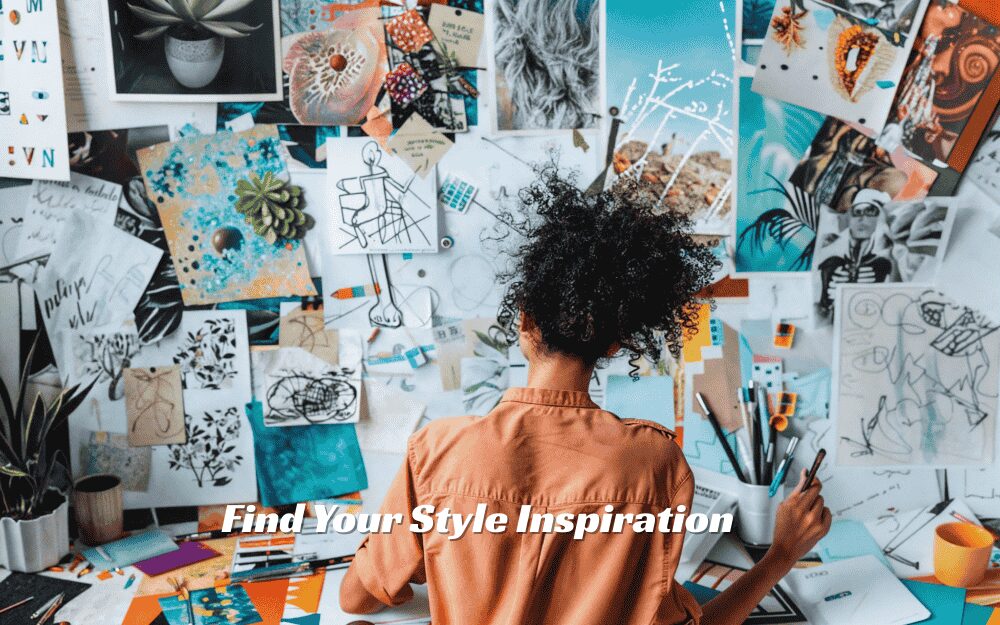
With a better understanding of your current wardrobe, it’s time to gather inspiration in a focused way.
Go Beyond Pinterest: While Pinterest is useful, try the Style Icon Deep Dive. Choose three style icons, they can be celebrities, historical figures, or even fictional characters, and analyze why you admire their look. Is it their use of color, their preferred silhouettes, or simply the attitude they exude? This exercise helps you pinpoint specific elements you want to incorporate.
Create a Style Mantra: Based on your findings from the excavation and inspiration phases, create a 3-5 word phrase that will act as your guide. This mantra is your filter for all future style decisions. Examples could be Relaxed, Textured, and Timeless or Polished, Powerful, and Punchy. This mantra is the key to how to find your style aesthetic because it defines it in your own words.
Phase 3: The Definition – Lock In Your Core Recipe
Now, let’s turn your abstract mantra into a concrete plan. A popular expert method is the Three-Word Method, popularized by stylist Allison Bornstein. We can expand on that concept to create a detailed recipe for your style.
For each of your mantras’ three words, define the following:
- Colors: If Elevated is one of your words, your core palette might include navy, cream, camel, and black.
- Silhouettes: If Comfortable is a word, you might favor straight-leg pants, oversized knits, and A-line skirts.
- Fabrics & Details: If Tactile is a word, you might be drawn to fabrics like wool, corduroy, silk, and interesting textures or hardware.
This detailed definition provides a clear blueprint, making it much easier to know how to find your personal fashion style when you are shopping or getting dressed.
Phase 4: The Execution – Build & Edit Your Wardrobe
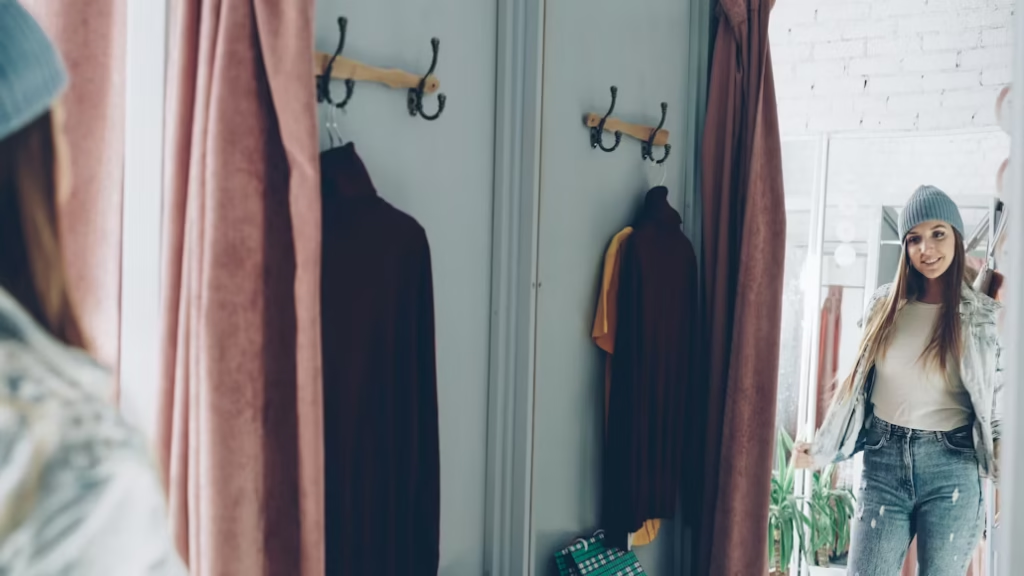
This is where your vision becomes reality. It’s about smart shopping and strategic editing, not a complete overhaul.
My biggest mistake early on was buying a statement piece with nowhere to wear it. It would hang in my closet, tags on, mocking my poor judgment. Now, I live by the Plus One rule.
The Plus One Rule: Any new item you consider buying must work with at least three items you already own. This simple rule prevents you from acquiring wardrobe orphans and ensures every piece earns its place.
The Tailor Talk: Fit is everything. An inexpensive, thrifted blazer tailored to fit your body perfectly will always look better than a high-end, ill-fitting one. A good tailor is your best friend in elevating your style.
Strategic Shopping with a Wishlist: Curb impulse buys by keeping a running list of items that fit your defined style recipe. When you feel the urge to shop, consult your list. This keeps you focused and ensures your purchases are intentional.
Styling for Your Life: Weaving Your New Hobby into Everyday
Now that you have your style recipe, let’s talk about making it work for you. Think of this as the fun part where your new creative hobby meets your real life.
- Build a Creative Capsule: You don’t need a closet bursting with clothes. The goal is a curated collection of pieces you love. Start by building a small capsule of versatile basics that reflect your Style Mantra. This makes getting dressed effortless and joyful, turning a daily chore into a quick, creative act.
- Dress Your Many Roles: As women, we seamlessly shift between roles—professional, partner, parent, friend. Your personal style can adapt with you. The key is to use your core recipe (your colors, silhouettes, and fabrics) as a foundation. A Polished style might mean a blazer for work and a structured knit dress for the weekend. You’re not changing your style; you’re applying it to different scenes of your life.
- Play with Accessories: This is where your hobby truly becomes play! Accessories are the lowest-commitment, highest-impact way to express your creativity. A bold scarf, a statement earring, or a unique bag can completely transform a simple outfit. It’s your chance to experiment with trends, colors, and personalities without a major investment.
Discover Your Style Archetype: Find Your Starting Point
Feeling stuck? Sometimes, all you need is a starting point. Based on my professional experience helping clients, I have identified a few common style archetypes. Ask yourself: Do you lean more toward a Modern Minimalist, a Refined Classic, an Eclectic Creative, or a Rugged Natural aesthetic? Identifying your archetype can jumpstart your journey and make the entire process less intimidating.
Your Style is a Journey, Not a Destination
The most important takeaway is that personal style evolves. Your life changes, your tastes change, and your wardrobe should change with you. The process of editing and rediscovering is ongoing. The goal isn’t to look exactly like your Pinterest board, but to feel like the most confident and authentic version of yourself every time you walk out the door. You have got this.